
Visit The Rembrandt House Museum
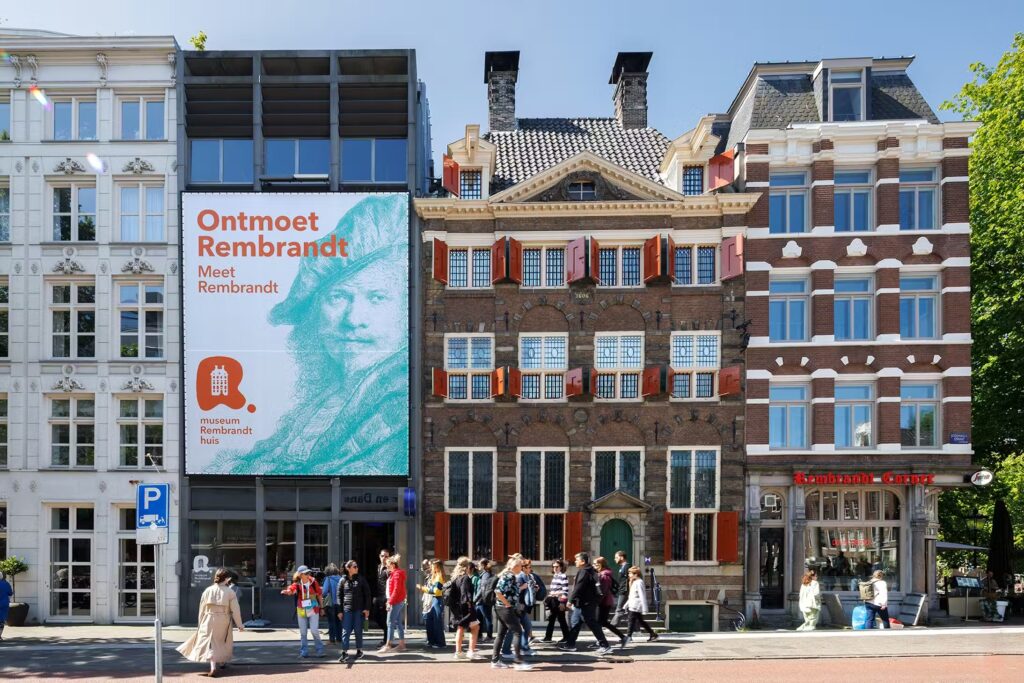
Rembrandt House in Amsterdam is a unique experience; it is entering the domestic world of one of the best masters of European painting. It is not only a museum, but also a real place where the artist spent nearly two decades of his life and worked, which is situated in the historic area of Jodenbreestraat in the heart of Amsterdam. And as soon as you enter the entrance door, you get a feeling of travelling back in time, that you are moving through meticulously recreated rooms and ambiances that testify to the genius of Rembrandt, his ambitions and personal struggles. The house has been renovated with considerable academic attention, relying on the initial inventories of the era, which enables the visitors to view the rooms as they were furnished during the lifetime of the artist. In every room, we are provided with a very personal view of his life: the kitchen, stripped, yet practical, the living room where he hosted guests and collectors, and the bedroom, plain and quiet. By the way you pass by such spaces, you get a good feeling of how the house was both a domestic home and a creative centre.
The studio of the artist on the upper floor is surely one of the most interesting rooms. This was the place where Rembrandt painted, played with light and shadow, and trained his pupils. The natural light that comes in through the big windows reproduces the perfect conditions to paint and you are made to know how he masterfully used chiaroscuro. One can see easels, palettes and tools used in the work and imagine the painter in the state of concentration and silence. The Rembrandt House Museum is not only a place where reconstructed rooms can be seen, but it is also a good place to find the original prints of the artist which also confirm his genius in the field of printmaking. These prints, consisting of strong lines and immense expressive delicacy, represent Biblical scenes, portraits and daily scenes. These works enable you to enjoy the other, less-known face of Rembrandt, but equally relevant to his artistic work. Live demonstrations of painting and etching techniques during the visit also enhance the experience providing you with the opportunity to obtain a more material idea of the techniques applied in the seventeenth century. The visit is especially immersive when someone watches the preparation of pigments or the process of the creation of a print, which is why this is worth going beyond the mere observation of the works.
The other aspect that renders the house of Rembrandt special is the presence of personal objects and artefacts of every part of the world. The painter himself was a great collector, and delighted in cramming his house with antique statues, armour, oriental material, and foreign curiosities. These pieces of furniture which are shown in different rooms demonstrate how open he was to other cultures and how he incorporated these influences into his work. It is also interesting to learn how Rembrandt made use of these works as models and sources of inspiration to his compositions.
It is also possible to learn the human side of the artist in the course of the tour. You get to know about his personal life through information panels and audioguides, about his early achievements and about the financial problems that finally made him move out of the house. This autobiographical account gives this experience more depth and Rembrandt appears not just as a creative genius but also as a man with weaknesses and desires.
The house of Rembrandt is situated almost at the outskirts of the historic centre, which is why it would be the best addition to a broader cultural programme including the Rijksmuseum and other iconic Amsterdam attractions. Nevertheless, the smaller space, in comparison to the large museums, provides a close, meditative experience, which suits any person wishing to experience the history of art firsthand.
When you leave the house, you remove the sense of having known Rembrandt more personally, even more confidially. The visit is more than a tour of the rooms and works, it is an experience in which you are able to get a better idea of the setting that some of the most renowned masterpieces of the seventeenth century were produced in. Rembrandt House is thus an indispensable place to be visited by anybody visiting Amsterdam in case he or she wants to explore the most authentic part of one of the brightest artists of the Netherlands.
What To See at Rembrandt House Museum
Visiting the Rembrandt House in Amsterdam means stepping into an intimate and authentic space, where art and everyday life intertwine naturally. Located in the heart of the historic district, this seventeenth-century residence offers visitors the unique chance to discover not only the artist’s works, but also the environment in which many of his most famous ideas were born. Every room tells a fragment of his story, turning the visit into a true journey back in time.
As soon as you cross the threshold, you enter the main hall, furnished in full seventeenth-century style, which immediately introduces you to the atmosphere of the house. Here you understand how Rembrandt was not only a painter, but also a man fully involved in the social life of Amsterdam. Continuing on, you reach the living room, a space designed to welcome guests, art dealers and potential clients. This room reveals the central role of the house as a place of encounter and cultural exchange.
The most attractive area is the kitchen that is also recreated in a very historical manner. Crockery, cutlery and furniture reflect how simple the life was at that time and provide a tangible record of domestic life in the Dutch Golden Age. The bedroom, so solemn and silent, is not very far, and it pushes you to contemplate the most intimate world of the artist, out of the limelight of achievement.
Climbing to the upper floor, you reach the creative heart of the house: Rembrandt’s studio. Here the painter painted his canvases, tried some new methods and educated his students. The huge windows make the room exposed to the sunlight, which makes it the perfect place to perform painting and enables the visitors to comprehend his renowned application of chiaroscuro. This space is particularly evocative with palettes and easels as well as working tools making it seem like the artist is still alive.
An important section is dedicated to Rembrandt’s original etchings. These works on paper reveal his extraordinary graphic talent and his ability to convey deep emotions through essential lines. The prints depict scenes from the Bible, portraits and everyday moments, offering a different perspective from his more famous paintings and allowing visitors to appreciate the master’s versatility.
Continuing along the route, you discover the cabinet of curiosities, where objects from different parts of the world are displayed. Rembrandt was a keen collector, and had accumulated ancient statues, armour, oriental fabrics and exotic artefacts. These works were not mere ornaments, but true objects of inspiration, which served to shape his work on the paintings. When you think about these objects, you can comprehend how the artist created his scenes and relied on different cultures and styles.
There is the opportunity to observe the examples of the seventeenth century painting and printmaking during the visit. These live or multimedia events allow you to be close enough to watch the way colours were made or a print was printed and makes the experience even more engulfing. We have an asset of understanding the artistry of each piece of art.
An important element of the visit is the focus on Rembrandt’s personal life. Through information panels and audioguides, you learn about his early achievements, his period of great prosperity and the financial difficulties that eventually forced him to leave this house. This human story adds depth to the visit, showing the artist not only as a creative genius, but also as a man facing challenges and change.
Temporary exhibitions enrich the cultural offer of the Rembrandt House, presenting themes connected either to his work or to the artistic context of his time. These displays make it worth returning more than once, each time discovering new aspects of his output.
Leaving the Rembrandt House, you are left with the feeling of having known the artist in a more personal and direct way. It is not just a museum, but a living place, able to tell stories through spaces, objects and works. Visiting this building means understanding Rembrandt’s world more deeply and letting yourself be inspired by one of the most fascinating chapters in the history of European art.
Passes and Bundles
Useful info
Opening hours
Location
How to get there
Best time to visit
Duration of the visit
Accessibility
Opening hours
Location
How to get there
Best time to visit
Duration of the visit
Accessibility
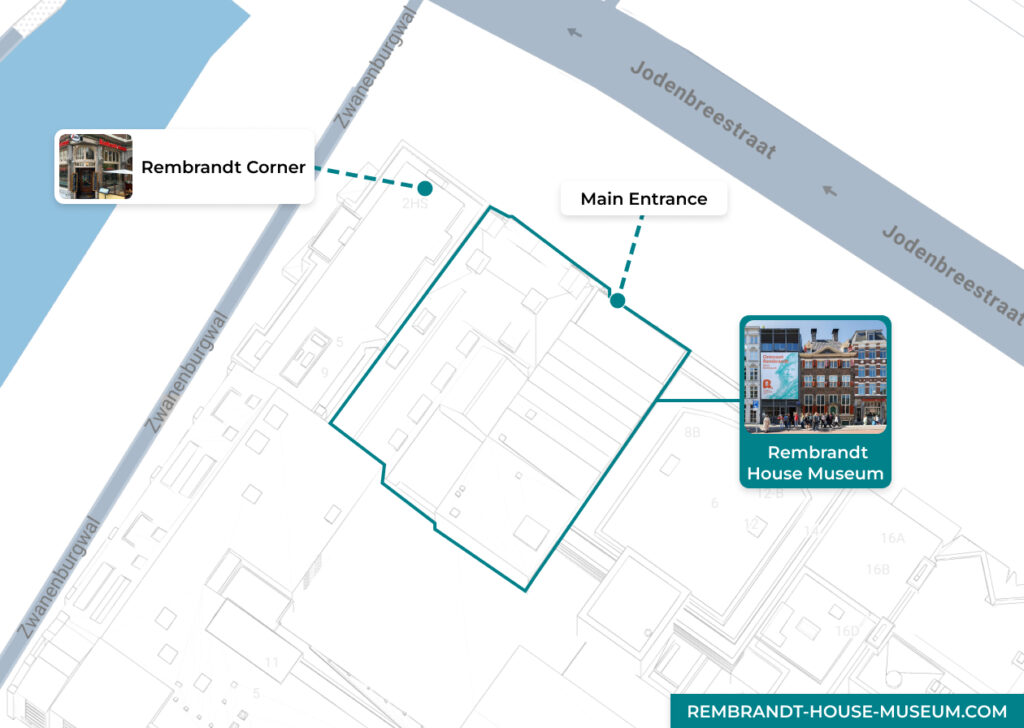
Rembrandt House Museum Map